 5 months ago
Introduction
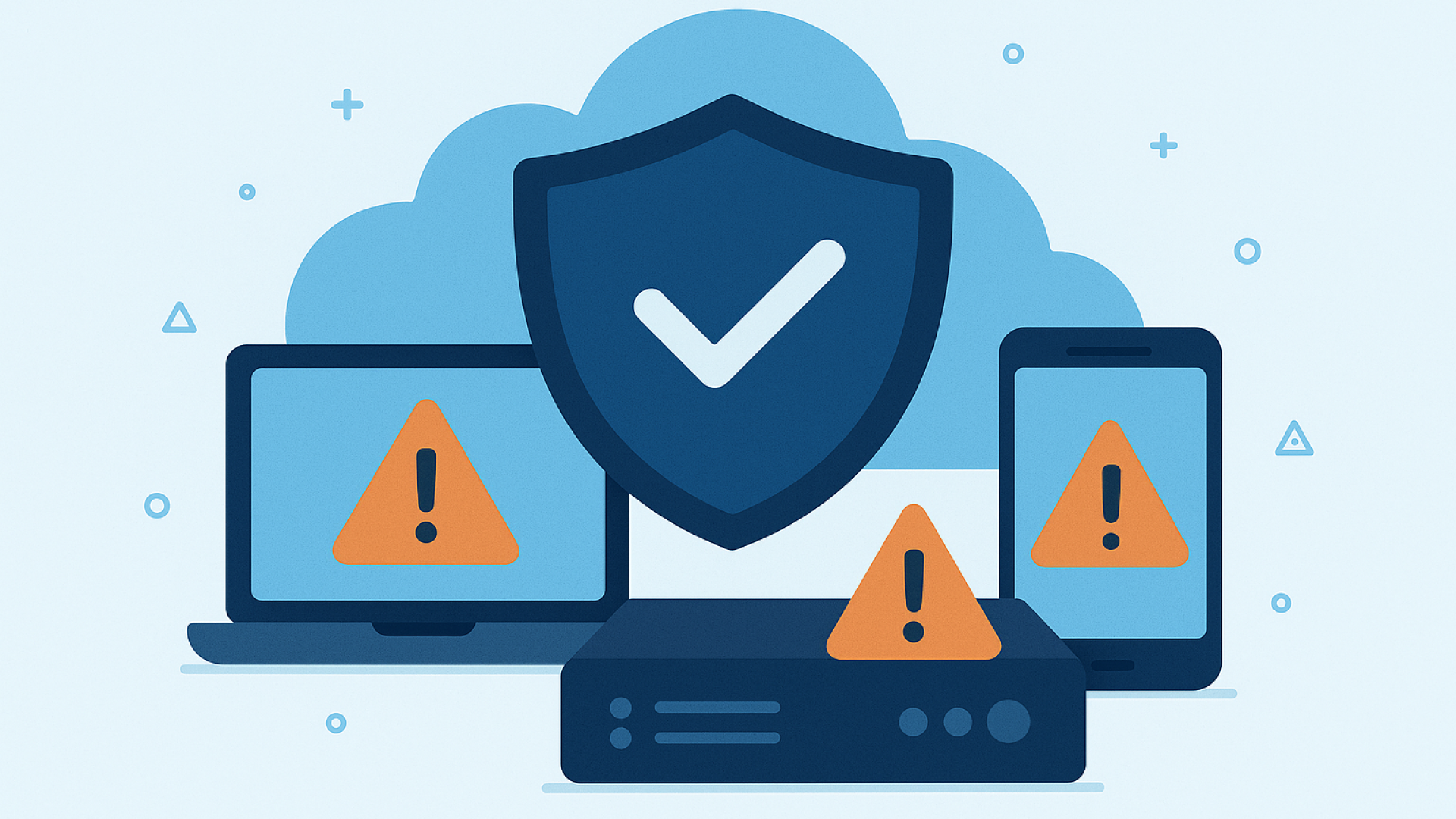
On March 20, 2026, the Cybersecurity and Infrastructure Security Agency (CISA) issued a critical advisory urging companies worldwide to enhance the security of their Microsoft Intune systems. This call to action follows a devastating cyberattack that targeted Stryker medical devices, resulting in a mass-wipe of sensitive data and operational disruption. The incident has raised alarms across industries that rely heavily on Microsoft Intune for device management and security, highlighting the urgent need for improved cybersecurity practices.
Context: The Stryker Cyberattack and Its Implications
Stryker, a leading medical technology company known for its innovative healthcare solutions, recently suffered a sophisticated cyberattack that exploited vulnerabilities within its Microsoft Intune environment. The attackers executed a mass-wipe operation, effectively erasing data and disabling numerous devices critical to healthcare operations. This breach not only disrupted Stryker’s services but also posed significant risks to patient safety and data integrity, underscoring the potential human cost of cybersecurity failures in the medical sector.
Microsoft Intune is a cloud-based service that helps organizations manage devices and applications. It is widely used across sectors for enforcing security policies, deploying software, and ensuring compliance. The attack on Stryker devices exposed potential weaknesses in Intune configurations and highlighted the need for stronger security measures to protect sensitive environments from similar threats.
Core Issues Behind the Attack
- Misconfigured Intune Policies: Preliminary investigations suggest that the attackers exploited improperly configured Intune policies that allowed unauthorized commands to be executed on managed devices. These misconfigurations created loopholes that the attackers leveraged to initiate the mass-wipe.
- Insufficient Access Controls: Weak identity and access management protocols may have enabled attackers to gain elevated privileges within the Intune environment. This lack of stringent access control facilitated unauthorized access to critical administrative functions.
- Lack of Multi-Factor Authentication (MFA): The absence or improper implementation of MFA increased the risk of credential compromise. Without MFA, attackers could more easily exploit stolen or guessed credentials to infiltrate the system.
- Delayed Detection and Response: The breach went undetected for a critical period, allowing attackers to execute the mass-wipe without immediate containment. This delay in detection exacerbated the impact of the attack and complicated recovery efforts.
Broader Impact on Industries and Infrastructure
The Stryker incident serves as a cautionary tale for organizations relying on Microsoft Intune for device management. The attack’s ripple effects extend beyond healthcare, affecting sectors such as finance, manufacturing, and government services that utilize Intune for endpoint security. These industries face similar risks if they do not proactively address potential vulnerabilities.
Disruptions caused by mass-wipe attacks can lead to operational downtime, financial losses, and erosion of customer trust. In healthcare, the stakes are even higher, as device failures can directly impact patient care and safety. The incident has prompted a reevaluation of cybersecurity strategies across multiple sectors to prevent comparable breaches.
Recommended Solutions and Best Practices
CISA’s advisory outlines several critical steps companies should take to fortify their Microsoft Intune security posture. These recommendations aim to mitigate risks and enhance the resilience of device management systems against sophisticated cyber threats.
- Review and Harden Intune Configurations: Organizations must audit their Intune policies to ensure they are configured following security best practices, minimizing permissions and restricting potentially dangerous commands. Regular configuration reviews help identify and remediate vulnerabilities before they can be exploited.
- Implement Strong Identity and Access Management: Enforce the principle of least privilege, regularly review user roles, and ensure that administrative access is tightly controlled. Proper role-based access control limits the potential damage from compromised accounts.
- Enable Multi-Factor Authentication (MFA): MFA should be mandatory for all users, especially those with administrative privileges, to reduce the risk of credential compromise. This additional layer of security significantly decreases the likelihood of unauthorized access.
- Continuous Monitoring and Incident Response: Deploy advanced monitoring tools to detect unusual activities within Intune environments and establish rapid incident response protocols. Early detection and swift action are crucial to minimizing the impact of cyberattacks.
- Regular Security Training: Educate employees and IT staff about phishing, social engineering, and other tactics attackers use to gain access. Awareness training empowers personnel to recognize and respond to potential threats effectively.
- Backup and Recovery Plans: Maintain robust backup systems and test recovery procedures to minimize downtime in case of an attack. Reliable backups ensure that organizations can restore critical data and operations promptly after an incident.
Industry and Vendor Collaboration
Addressing the vulnerabilities exposed by the Stryker attack requires collaboration between organizations, cybersecurity experts, and technology vendors. Microsoft has reportedly been working closely with affected customers to provide patches and guidance on securing Intune environments. This partnership is vital for rapidly addressing security flaws and disseminating best practices.
Industry groups and government agencies like CISA are also facilitating information sharing and developing frameworks to enhance collective defense against such cyber threats. By fostering a collaborative ecosystem, stakeholders can improve threat intelligence, coordinate responses, and strengthen overall cybersecurity posture.
Looking Ahead: Strengthening Cybersecurity Resilience
The mass-wipe attack on Stryker devices underscores the evolving nature of cyber threats and the critical importance of proactive security measures. As organizations increasingly depend on cloud-based management tools like Microsoft Intune, the attack serves as a stark reminder that security must be integral to deployment and operation.
Future resilience will depend on continuous risk assessment, adoption of zero-trust principles, and investment in advanced cybersecurity technologies. Organizations must remain vigilant and adaptive to counteract sophisticated attacks that can disrupt operations and compromise sensitive data. Emphasizing a security-first mindset and fostering a culture of cybersecurity awareness are essential components of this ongoing effort.
Conclusion
The recent cyberattack on Stryker devices has spotlighted significant vulnerabilities within Microsoft Intune environments, prompting CISA to urge companies to strengthen their security frameworks. By implementing rigorous access controls, enforcing MFA, and maintaining vigilant monitoring, organizations can better protect themselves against similar mass-wipe attacks.
As cyber threats continue to evolve, a collaborative and proactive approach to cybersecurity will be essential to safeguard critical infrastructure and maintain trust in digital systems. The lessons learned from the Stryker incident should serve as a catalyst for organizations to reassess and enhance their security strategies, ensuring greater resilience against future cyberattacks.