 5 months ago
Introduction
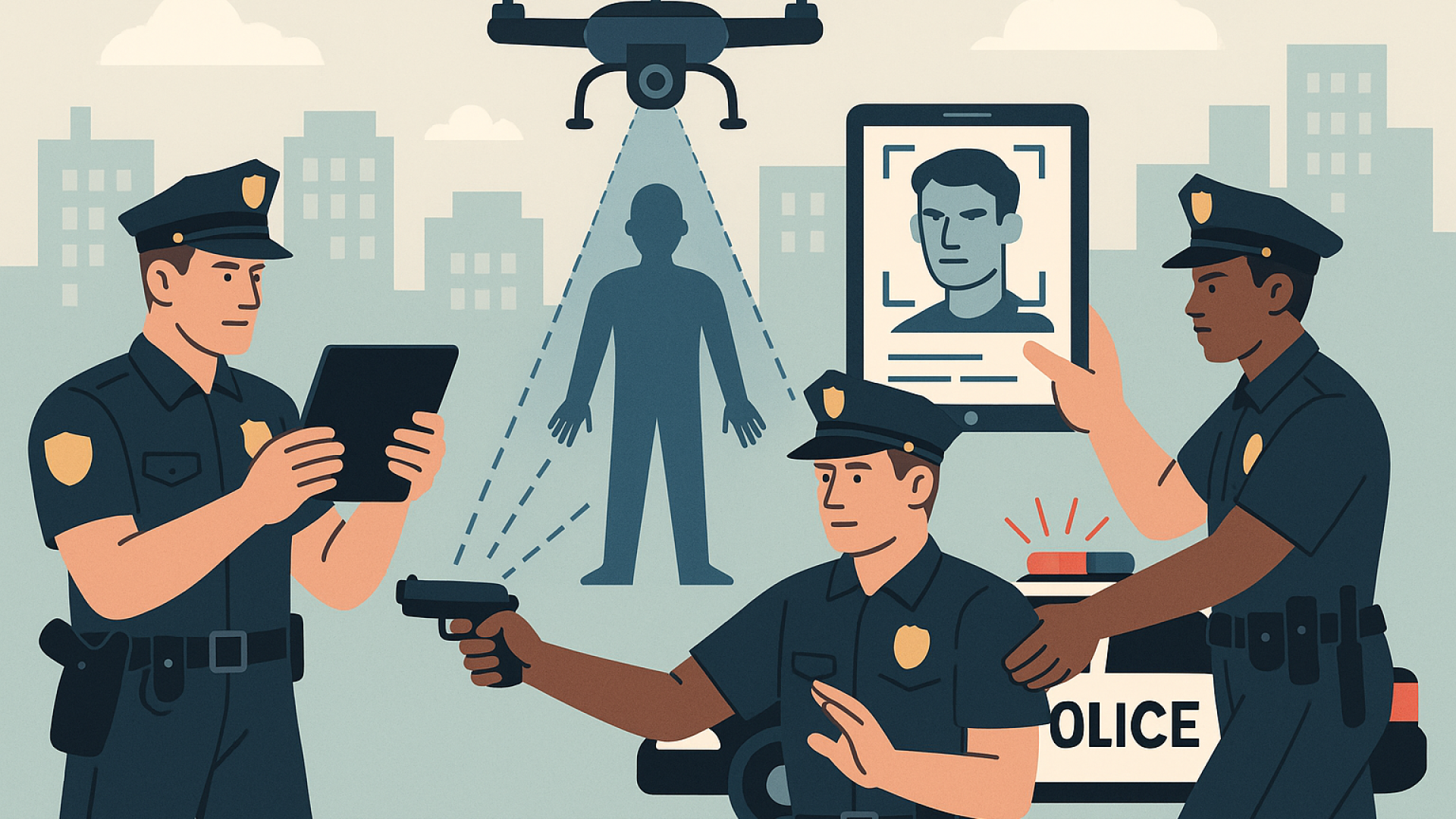
In recent years, law enforcement agencies across the United States have increasingly turned to technology to improve operational efficiency and officer safety. The Louisville Metro Police Department (LMPD) is among the forefront of this movement, having recently integrated a new suite of technological tools designed to expedite arrests while minimizing risks to officers and the public. This article explores the context behind this adoption, the core technologies involved, their impact on policing in Louisville, and the broader implications for law enforcement nationwide.
Context: Challenges in Modern Policing
Policing in the 21st century faces multifaceted challenges. Officers must balance the need for swift action with the imperative of ensuring safety for all parties involved. Arrests, a fundamental aspect of law enforcement, can be unpredictable and dangerous. Traditional methods often rely heavily on officer experience and physical presence, which, while effective, can expose officers to unnecessary risks and delays.
Moreover, public scrutiny of police tactics has intensified, prompting departments to seek transparent and accountable methods. The integration of technology offers a promising avenue to address these concerns by providing data-driven support, real-time information, and enhanced communication capabilities.
In addition to these operational challenges, law enforcement agencies must navigate complex social dynamics and heightened expectations from the communities they serve. The demand for accountability, fairness, and respect for civil liberties has never been greater, making it essential for police departments to adopt tools that not only improve efficiency but also foster trust and transparency.
Core Technologies Enhancing LMPD Arrests
The LMPD's new approach incorporates several key technological innovations that collectively transform how arrests are conducted:
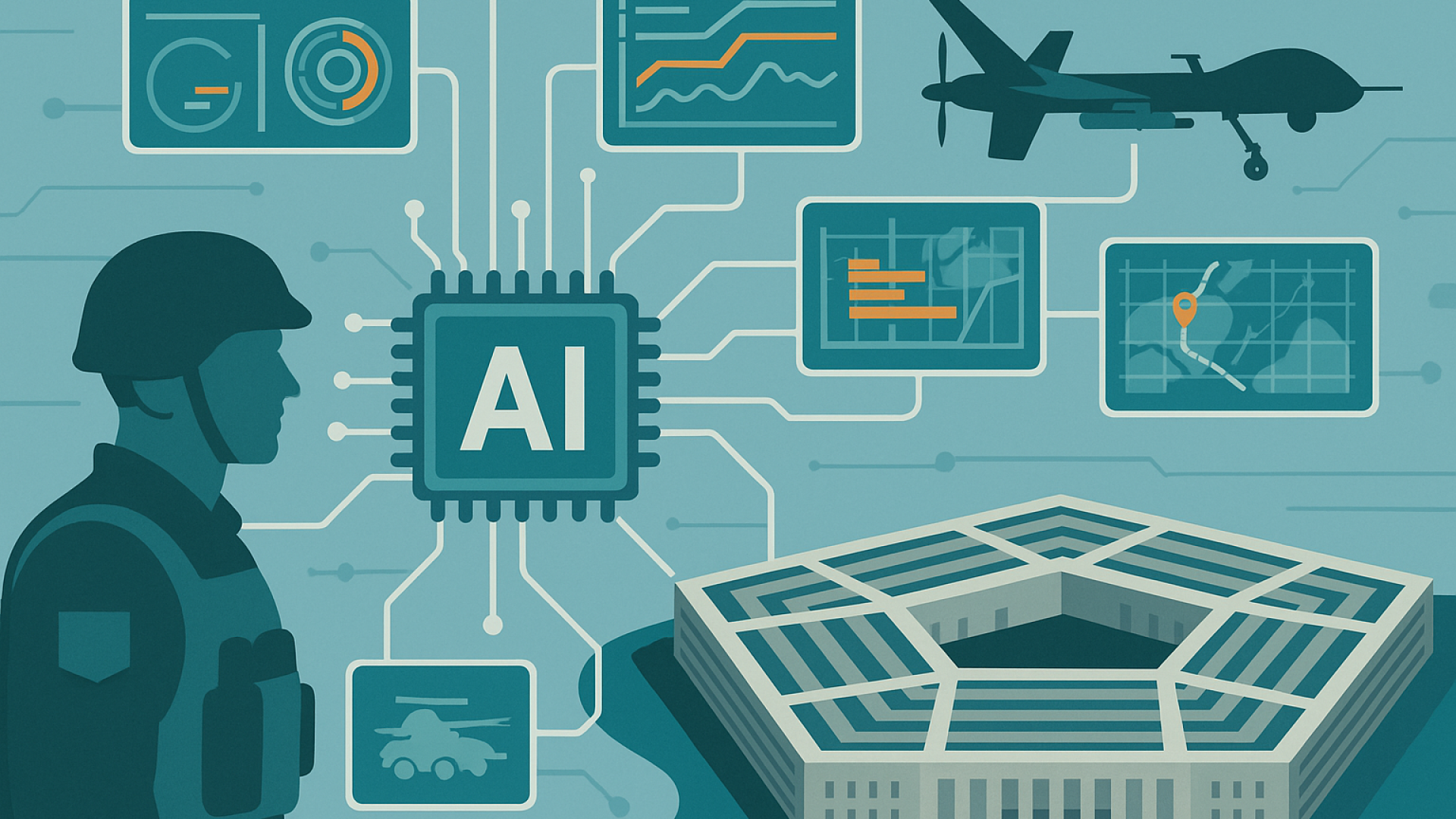
- Real-Time Data Analytics: Officers now have access to advanced analytics platforms that process crime data, suspect profiles, and incident histories in real time. This allows for informed decision-making during arrests, reducing guesswork and improving outcomes. By analyzing patterns and trends, officers can anticipate potential risks and tailor their strategies accordingly.
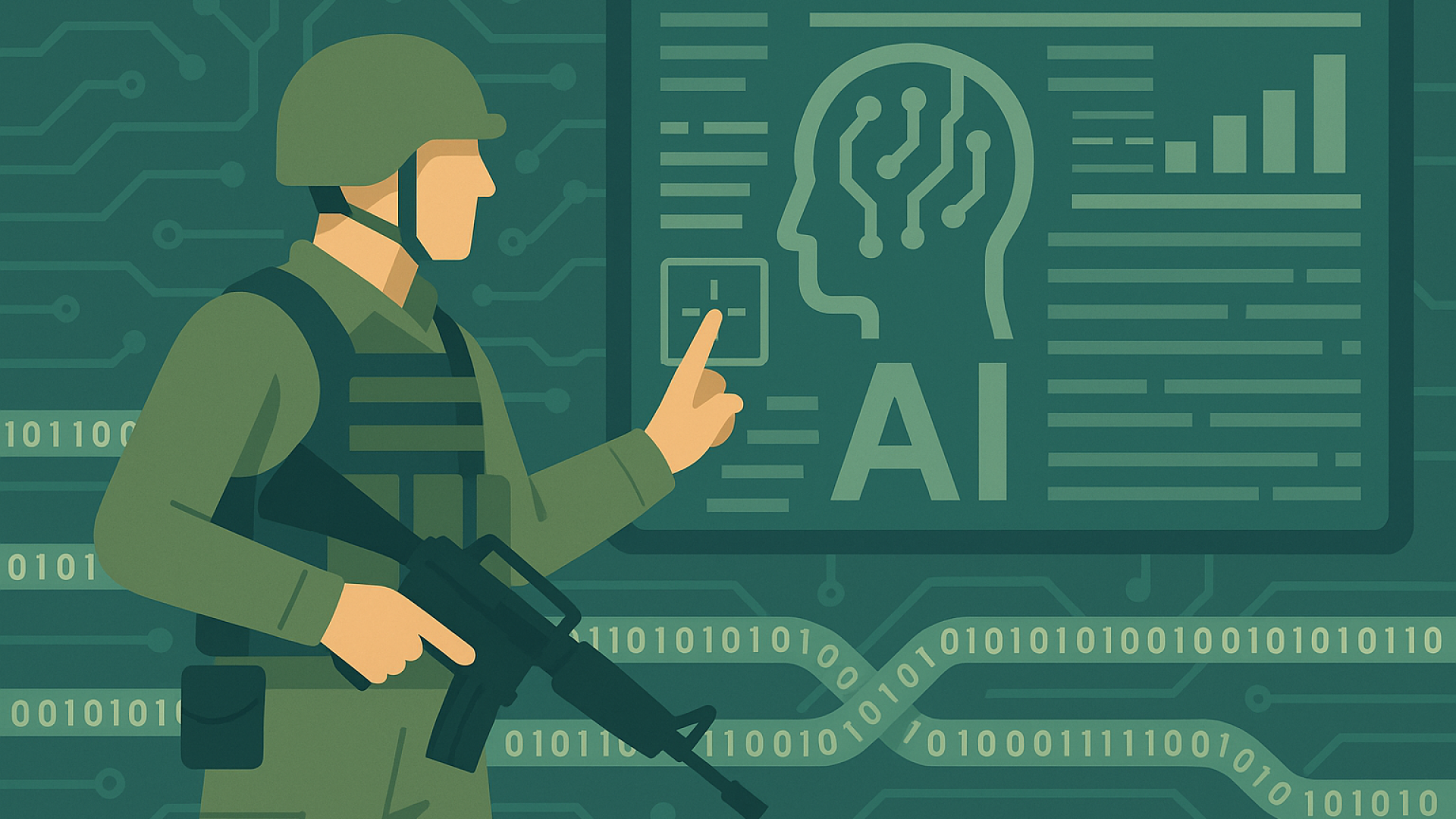
- Body-Worn Cameras with AI Integration: Enhanced body cameras equipped with artificial intelligence can detect unusual behavior, alert officers to potential threats, and automatically tag critical moments for review, increasing accountability and situational awareness. These AI capabilities help identify escalating situations early, enabling timely interventions that can prevent violence.
- Mobile Command Centers: Deployable mobile units equipped with communication and surveillance technology enable officers to coordinate arrests more effectively, especially in complex or high-risk scenarios. These centers serve as hubs for real-time information sharing, tactical planning, and resource deployment, ensuring a unified response.
- Non-Lethal Technologies: The department has adopted advanced non-lethal tools such as smart tasers and remote immobilization devices, which help subdue suspects safely without resorting to deadly force. These technologies prioritize de-escalation and reduce the likelihood of serious injury to both officers and suspects.
- Facial Recognition and Biometric Verification: Integrated systems assist in quickly verifying identities, ensuring that officers apprehend the correct individuals and reducing wrongful arrests. These tools streamline the identification process, allowing for faster and more accurate confirmations during field operations.
Each of these technologies has been carefully selected and tested to complement existing policing methods, ensuring that officers are equipped with the best possible tools to perform their duties safely and effectively.
Impact on Arrest Speed and Officer Safety
Since implementing these technologies, the LMPD reports significant improvements in arrest efficiency and safety metrics. Officers can now access critical information before arriving at a scene, allowing for better preparation and strategy formulation. The use of AI-enhanced body cameras has not only increased transparency but also provided early warnings of escalating situations, enabling officers to de-escalate conflicts more effectively.
Furthermore, the availability of non-lethal tools has reduced the incidence of injuries during arrests, benefiting both officers and suspects. The mobile command centers facilitate seamless communication among units, ensuring coordinated responses that minimize exposure to danger.
Preliminary internal assessments indicate a notable reduction in arrest-related injuries and faster resolution times. These improvements contribute to overall community safety and trust, as officers are better equipped to handle volatile situations with professionalism and care.
Additionally, the integration of facial recognition and biometric verification has decreased the frequency of mistaken identities, which historically have led to wrongful arrests and subsequent legal challenges. By ensuring accurate suspect identification, the department enhances both operational efficiency and public confidence.
The real-time data analytics platform has also empowered officers to anticipate potential threats and allocate resources more effectively, reducing response times and improving the likelihood of successful arrests without incident.
Broader Implications and Future Directions
The LMPD's experience serves as a case study for other law enforcement agencies considering technological upgrades. The integration of data analytics, AI, and advanced equipment demonstrates how technology can complement traditional policing methods rather than replace them. This hybrid approach leverages the strengths of human judgment and technological precision to create safer and more effective law enforcement practices.
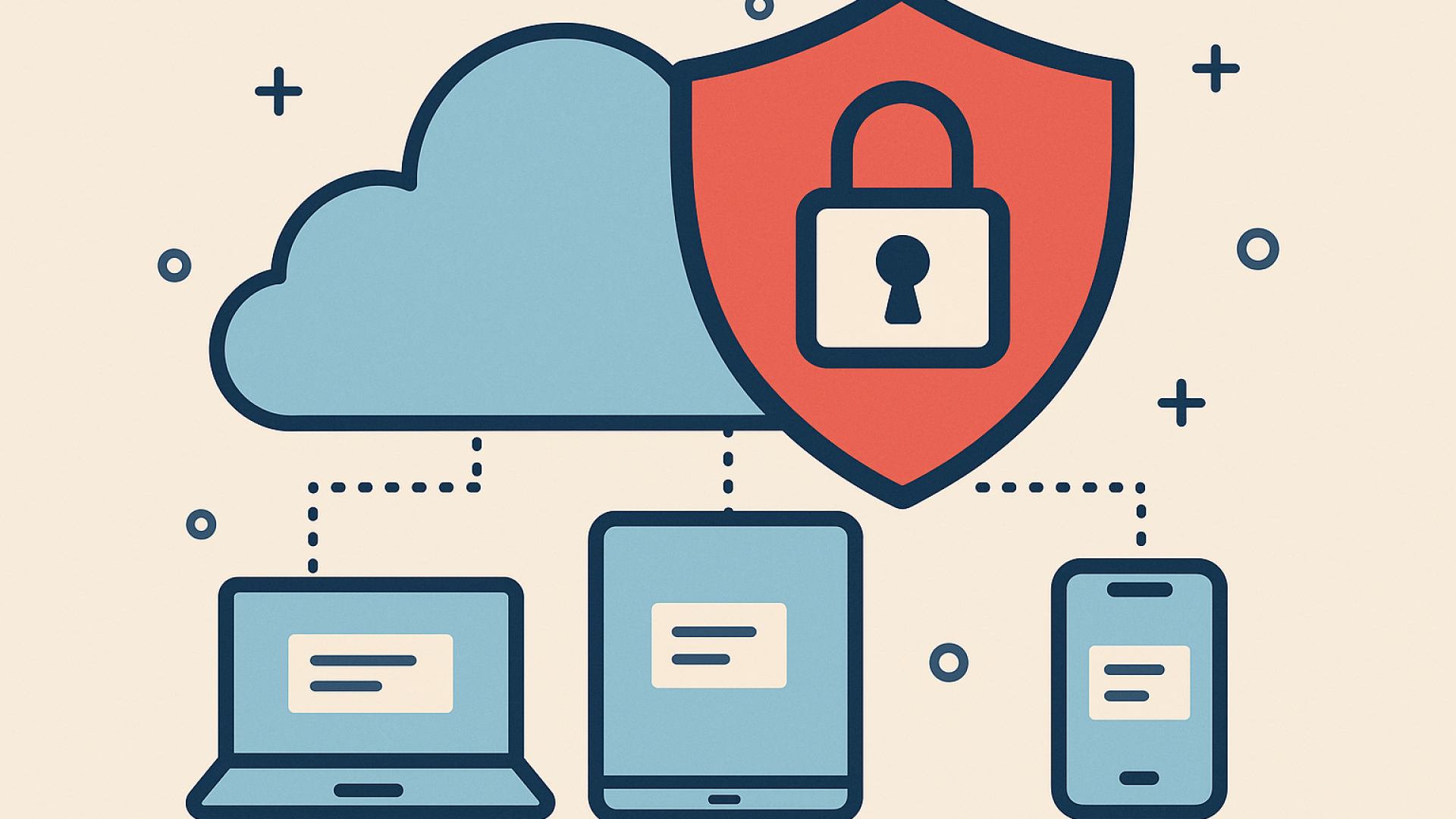
However, the adoption of such technologies also raises important questions about privacy, data security, and ethical use. The department has emphasized its commitment to transparency and community engagement to address these concerns, including regular audits and public reporting. By involving community stakeholders in the oversight process, the LMPD aims to build trust and ensure that technology is used responsibly.
Looking ahead, the LMPD plans to expand its technological capabilities, exploring innovations such as drone surveillance, predictive policing algorithms, and enhanced cybersecurity measures. Drones could provide aerial support during complex operations, offering real-time intelligence without putting officers in harm's way. Predictive algorithms may help identify crime hotspots and allocate resources proactively, though these tools will be implemented with careful attention to ethical considerations and bias mitigation.
Collaboration with technology developers and academic institutions will be key to ensuring these tools are effective and ethically deployed. The department is actively engaging in partnerships to pilot new technologies, conduct rigorous evaluations, and develop best practices that can be shared across the law enforcement community.
Moreover, ongoing training and education for officers will be essential to maximize the benefits of these technologies. The LMPD is investing in comprehensive programs to ensure that personnel are proficient in using new tools and understand the legal and ethical frameworks governing their application.
Conclusion
The Louisville Metro Police Department's adoption of new technology marks a significant step forward in modernizing law enforcement practices. By enhancing arrest speed and officer safety, these innovations contribute to more effective policing and stronger community relations. As technology continues to evolve, departments like the LMPD will play a crucial role in shaping the future of public safety, balancing innovation with responsibility and respect for civil liberties.
Ultimately, the success of these initiatives depends not only on the technology itself but also on the commitment to transparency, accountability, and community partnership. The LMPD's proactive approach serves as a model for how law enforcement can harness technological advancements to create safer environments for officers and citizens alike, fostering trust and collaboration in the pursuit of justice.